Ceramic and glass have been used in home décor for centuries, and their appeal has never really faded. Both materials carry a certain quiet elegance — one that feels grounded and considered rather than showy. When used together thoughtfully, they create spaces that feel layered, tactile, and alive. The good news is that you don't need an interior designer's eye to pull it off.
Start with a colour story
Before placing a single vase or bowl, think about the colours already present in your room. Ceramic pieces tend to come in earthy, muted tones — terracotta, sage, cream, slate — while glass lends itself to clearer, lighter hues or rich jewel tones depending on the finish. A room with warm neutrals pairs beautifully with amber glass and hand-thrown stoneware. Cooler, more minimal spaces benefit from frosted or smoky glass alongside white or grey ceramics. The key is choosing pieces that converse with your existing palette rather than compete with it.
Mixing textures without creating chaos
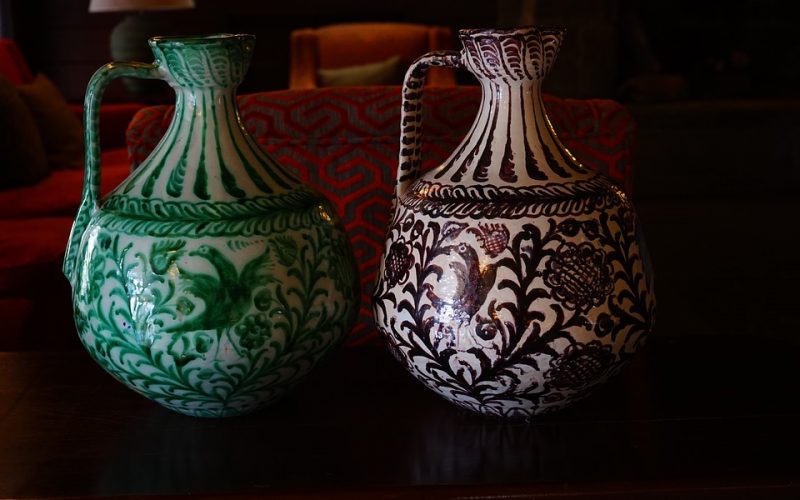
One of the biggest concerns people have when combining ceramics and glass is texture overload. Ceramics are typically matte, rough, or speckled, while glass is smooth and reflective. Rather than clashing, these contrasts actually complement one another. A matte ceramic jug placed beside a slender glass bottle creates visual interest precisely because of their differences. The trick is restraint — choose two or three pieces that interact well, and resist the urge to fill every surface.
Shelves, sideboards, and windowsills
Where you place your pieces matters just as much as which pieces you choose. Windowsills are particularly well-suited to glass, as natural light passes through coloured or textured glass and casts beautiful shadows across a room. Shelves work well for a curated mix of both materials, especially when you vary the heights and group items in odd numbers. Sideboards offer more surface area, making them ideal for larger ceramic vessels or a collection of smaller glass objects arranged with breathing room between them.
How to avoid a cluttered look
The line between a thoughtfully styled shelf and a cluttered one is thinner than most people think. Negative space — the empty areas between objects — is what gives a display room to breathe. When arranging ceramic and glass pieces, step back regularly and ask yourself whether each item is earning its place. If something feels surplus to requirements, it probably is. Rotating pieces seasonally is also a practical way to keep your décor feeling fresh without accumulating more than you need.
Caring for your pieces
Ceramic and glass both require a degree of care, though neither is particularly high-maintenance. Most ceramic décor pieces are not dishwasher-safe, so a gentle hand wash with warm soapy water is best. For glass, avoid abrasive cloths that can cause fine scratches over time — a soft microfibre cloth works well. If you have hand-blown or antique glass pieces, handle them with particular care, as the thickness can be uneven and more fragile than it appears.
A considered approach to decorating
Decorating with ceramic and glass is ultimately about slowing down and being intentional. These are materials with history, craft, and character behind them. A single well-chosen ceramic bowl or an elegantly shaped glass vase can say more about a space than an entire shelf of mismatched objects. Start small, trust your instincts, and build your collection gradually. The most inviting homes are rarely the result of a single shopping trip — they are assembled over time, with pieces that genuinely mean something to the people who live there.